9+ curated guides • Updated November 2025
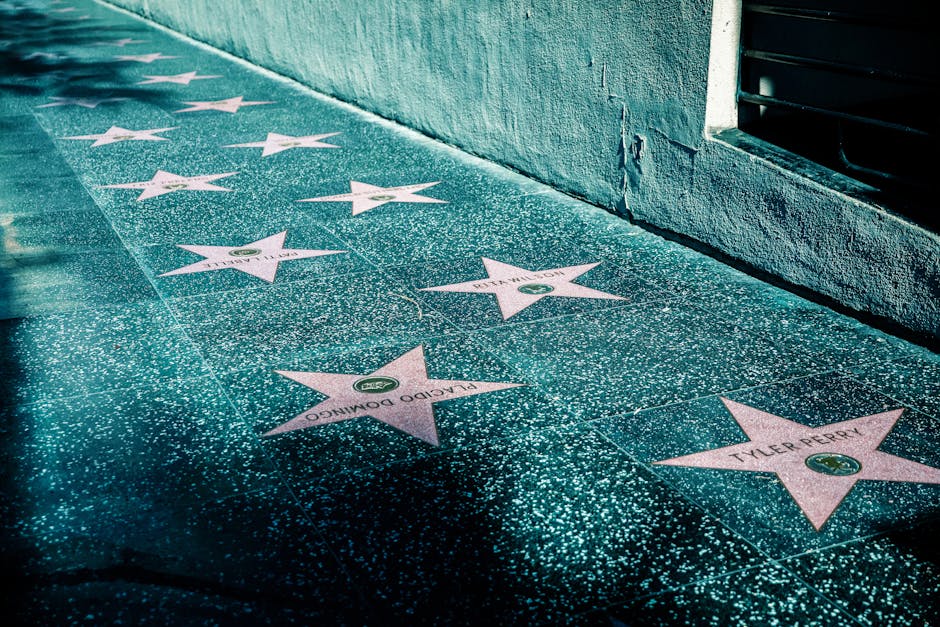
We think of celebrity names as a matter of birth or a simple stage-name switch, but what if the most successful monikers are actually meticulously crafted business assets? From single-name icons like Zendaya to strategically unique names like Timothée Chalamet, the new currency in Hollywood isn't just talent—it's having a name you can own on Google. This isn't about vanity; it's about intellectual property. In an economy driven by attention, a celebrity's name is their most valuable domain name, their primary stock ticker, and the foundation of their entire commercial empire. We're breaking down the unspoken rules of the modern celebrity name game, where every syllable is a strategic choice.
Every Black Friday, hunters and anglers chase the biggest discounts. But what if the smartest deals aren't the ones with the steepest price cuts? We're ignoring the hype to reveal the Cabela's gear that acts as an investment, paying you back in saved guide fees, processed meat, or year-round adventure long after the sale ends. This isn't about the fleeting thrill of a 70% off sticker. This is a financial strategy for the serious outdoorsman. We're building a portfolio of gear that works for you, depreciates slowly, and yields tangible returns. Forget the doorbusters; we're hunting for assets. Below, we'll break down seven specific categories of Cabela's gear that stop being expenses the moment you buy them and start putting value back in your pocket.
You've refreshed Celebrity Dirty Laundry for the tenth time today, desperate for the latest Y&R spoilers. But what if the biggest secret isn't what happens next in Genoa City, but how these spoiler sites actually work? We're pulling back the curtain to reveal the patterns, sources, and educated guesses that fuel the spoiler machine, turning you from a passive reader into a savvy show analyst. Forget simply consuming plot points; we're here to teach you the art of spoiler craft. By understanding the methodology behind the predictions, you gain a deeper appreciation for the narrative and learn to separate the high-probability forecast from the hopeful fan fiction. Welcome to your masterclass in soap opera forensics.
You've been told a GIA certificate is your diamond's ironclad guarantee, the ultimate seal of approval. But what if the most expensive mistakes aren't in what the report says, but in what it doesn't scream from the page? We're pulling back the curtain on the subtle codes and 'in-between' grades that can make or break your diamond's true value and beauty. As a GIA-trained professional who has seen it all, I'm here to translate the fine print that separates a good diamond from a great one—and a fair deal from a costly error. We'll move beyond the 4Cs and into the territory of the true connoisseur, ensuring the diamond you bring home is every bit as brilliant as its paperwork suggests.
You know the feeling: the disappointment of a favorite new necklace turning dull after one week, or the dreaded green ring staining your finger. The truth is, the line between a $20 treasure and a $20 piece of trash isn't the brand—it's the elemental science. Forget trend reports; we’re giving you the lab report on how to spot the affordable jewelry that’s chemically engineered to last. Before you spend another dollar on a piece that will betray you with rust or a rash, you need to learn to read the material label like a scientist. This isn't about snobbery; it's about shrewdness. It’s about understanding the molecular bonds that separate a durable accessory from disposable junk, allowing you to build a collection that looks expensive, feels comfortable, and withstands the chemistry of daily life.
It wasn't the Gucci suits or the feather boas that truly signaled a shift. It was a simple string of pearls. This is the story of how one accessory, worn by one pop star, became a cultural Trojan horse that dismantled decades of gendered rules in jewelry and redefined what it means to accessorize as a man. While Styles' sartorial choices have long been a subject of conversation, the adoption of a single pearl strand in 2019 was different. It wasn't a costume for the stage; it was an integrated part of his personal style, worn with a casualness that belied its revolutionary impact. This article deconstructs that moment, not as a fleeting trend, but as a specific, pivotal event that recalibrated the semiotics of masculine adornment. We will trace the pearl's journey from forgotten symbol of male power to a modern emblem of expressive freedom, all catalyzed by a single necklace.
Remember the explosion of chunky gold chains and dopamine-drenched beads in 2022? That wasn't an accident; it was a cultural signal. We'll move beyond the 'what' and explore the 'why,' revealing how our collective desire for strength, joy, and nostalgia was worn on our wrists, necks, and ears. As a fashion psychologist, I analyze these adornments not as mere accessories, but as artifacts of a specific moment in time—a time when we were collectively re-emerging, re-evaluating, and reclaiming our identities. The jewelry of 2022 was our chosen language, a non-verbal broadcast of our internal state to the outside world.
Ready to trade the open ocean for Europe's scenic rivers without leaving behind the modern luxury you love from Celebrity? Before you get lost searching for a ship that doesn't exist, let's uncover the insider's secret to finding a river cruise that truly matches that signature Celebrity vibe. Many loyal Celebrity fans make the logical leap: they love the onboard experience and want to replicate it on the Danube, Rhine, or Seine. The only hiccup? Celebrity Cruises, the master of the large, modern-luxury ocean vessel, doesn't operate its own river fleet. But don't despair. This isn't a dead end; it's a doorway to a new style of travel. As your guide, I'll help you translate what you love about Celebrity—the design, the dining, the service—into the intimate language of river cruising and pinpoint the lines that speak it fluently.
It always seems to happen in threes. This week, as news broke of three notable figures passing, that old superstition likely echoed in your mind. But is this a cosmic pattern, or a cognitive bias our brains use to find order in the chaos of loss? As a media psychologist, I can tell you it's firmly the latter. The 'Celebrity Rule of Threes' isn't a mystical law governing Hollywood; it's a powerful reflection of our own neurological wiring. Our brains are fundamentally pattern-detection machines, designed to create meaning from random data points. This article delves into the cognitive architecture behind this phenomenon, exploring why we subconsciously group tragedies and how this shared superstition shapes our public and private grieving processes.